
-
Soft BDSM Bondage Rope 5 Meters - Black
Vendor:Power EscortsRegular price €14,95Regular price €14,95 Sale priceUnit price per -

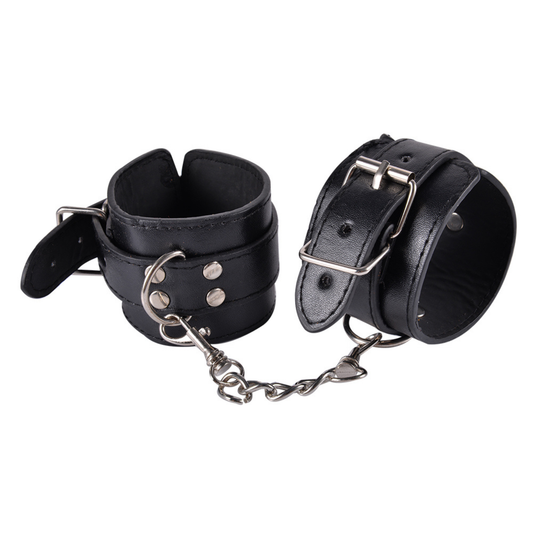 Sold out
8-Piece Bondage Set (Starter Pack)
Vendor:Power EscortsRegular price €29,95Regular price €29,95 Sale priceUnit price per€39,99Sold out -
Kinky Play – Bondage Box 10-piece Starter Set
Vendor:Power EscortsRegular price €39,99Regular price €39,99 Sale priceUnit price per€49,99Sold out -
Bound To Play - Bondage Kit Purple - N12279 - 11 Pcs Bondage Set - BDSM Bondage Kit
Vendor:LoveSecretRegular price €29,99Regular price €29,99 Sale priceUnit price per -
Kinky Rope 5 Meters - Fetish Power
Vendor:LoveSecretRegular price €24,95Regular price €24,95 Sale priceUnit price per

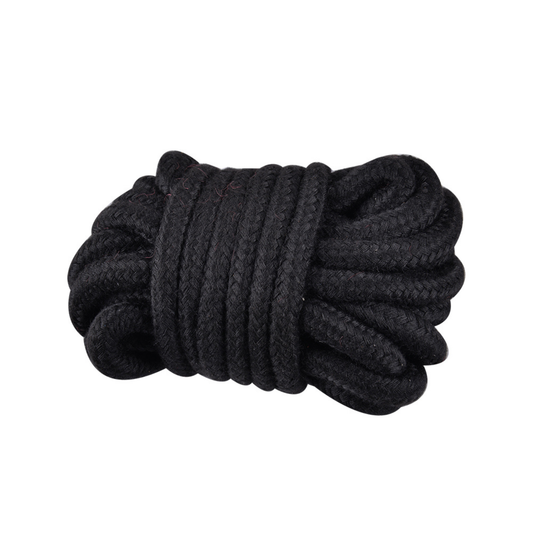


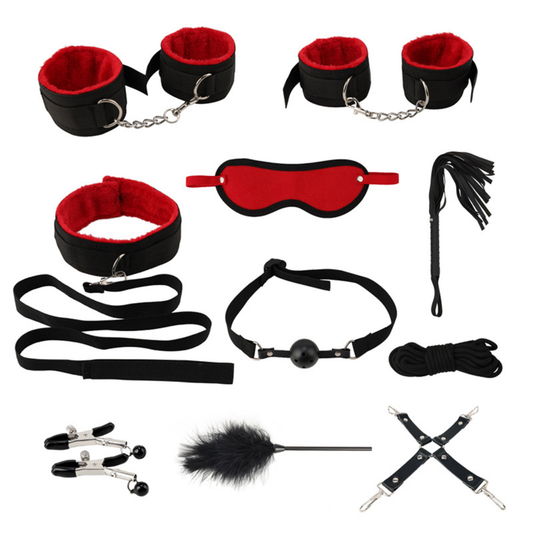


Are you looking for a bondage rope that feels comfortable in your hands, ties well, and suits your experience level? In this collection, you'll find bondage ropes for gentle beginner sessions, decorative rope play, and more technical ties. Whether you're looking for a soft rope for your first experiments or want to buy specific shibari rope, you can easily filter by material, grip, comfort, length, and thickness here. If you're looking more broadly within this niche, also check out all bondage.
The right BDSM rope makes a big difference. A supple rope instills more confidence during initial bondage ties, while hemp or jute often provides more control and character for advanced rope bondage. Below, you'll find what to look for and which type best suits your play.
Which rope suits your play and experience?
You don't choose a good bondage rope based solely on color or price. The most significant differences lie in how the rope feels on the skin, how much grip it provides, how much stretch it has, and what you intend to use it for. For simple wrist or ankle ties, you often choose differently than for a body harness or shibari. Beginners usually seek comfort and forgiving properties. Experienced users more often pay attention to knot stability, feedback in their hands, and how the rope behaves under tension.
| Material | Feel and grip | Best suited for | Note |
|---|---|---|---|
| Cotton | Soft, skin-friendly, often slightly more stretch | Beginners, gentle bondage ties, general use | Less form-stable for technical patterns |
| Hemp | Drier feel, more grip, little stretch | Shibari, harnesses, experienced rope bondage | Can feel rougher than cotton |
| Jute | Light, lively, and classic in appearance | Shibari and decorative rope work | Requires more maintenance and preparation |
| Synthetic | From supple to smooth, often low maintenance | General bondage, color choice, easy to clean | Can be slippery or generate more heat from friction |
Material determines grip, comfort, and control
Cotton as your first bondage rope
Cotton is the most accessible starting point for many people. It feels softer than natural fibers like hemp and jute, making it pleasant when you're still discovering how tightly to tie and how your skin reacts. For simple ties, gentle sessions, and the first steps with bondage knots, cotton rope is often a safe and comfortable choice. Be aware that cotton usually has a bit more stretch. This can be nice for comfort, but it sometimes results in less crisp lines for patterns or a bondage harness.
Why choose hemp bondage rope?
Hemp bondage rope is popular among shibari and technical rope play enthusiasts. The fiber naturally has more grip and less stretch, meaning knots stay in place better and the rope responds more clearly in your hands. This makes it more pleasant if you want to work with greater precision or are looking for a more natural, classic feel. Hemp often feels somewhat coarser than cotton, but it's precisely this coarseness that gives many users more control. For those serious about shibari, this is often a logical next step after cotton.
Jute for a classic shibari aesthetic
Jute is often chosen for its light, characteristic appearance and the direct feel during knotting. The material is widely associated with traditional shibari rope and looks striking in photos and decorative patterns. Jute does require more attention than cotton: the fiber must be kept dry, should not be stored while damp, and users sometimes treat the material to make it handle more smoothly. If you're looking for an authentic feel and already have some experience with rope bondage, jute is an interesting choice.
Synthetic BDSM rope for convenience and color
Synthetic BDSM rope, such as certain polypropylene variants, is often chosen by those who value ease of maintenance. It dries quickly, is less prone to mold, and is often available in multiple colors. This makes it practical for general use and appealing if aesthetics play a role. The main difference here lies in the finish: some synthetic ropes are soft and friendly, while others are smoother. Pay extra attention to friction and grip. A rope that is too smooth can be more difficult for certain knots and may feel less pleasant on the skin during fast movements.
What can you do with rope bondage?
Restraint, posture, and play construction
The most direct application of a bondage rope is to restrict movement. Think of tying wrists or ankles, securing limbs to a bed, or guiding a posture. It is precisely in this that rope is more versatile than many other restraints: you decide how loose, tight, simple, or creative a tie becomes. Those who prefer quicker changes sometimes opt for handcuffs. For beginners, this is often the first step, as you quickly learn how tension, position, and communication come together. Popular additions for extra control and sensation include ball gags.
Shibari and a bondage harness
Rope bondage can also be decorative and sensual. For that atmosphere, some people also look at eye masks. In shibari, it's not just about securing, but also about pattern, tension, and experience. A body harness or chest and torso tie can be aesthetically powerful while simultaneously making the body feel different. This makes shibari rope popular among people who seek aesthetics in addition to function. You don't have to create complicated patterns right away. Even a simple tie can already provide a beautiful combination of control, contact, and visual effect.
Advanced techniques require extra knowledge
There are also forms of rope play that go significantly beyond basic ties, such as suspension, self-bondage, or pressure play on specific body parts. These are not beginner forms. In suspension and other intensive techniques, load, nerve pathways, and emergency procedures play a much larger role. Therefore, only consider these applications as an advanced area requiring training, experience, and good safety knowledge. Good bondage rope helps, but knowledge and preparation are more important here than the material alone.
What to look for when buying bondage rope?
Length and thickness
The right length depends on what you want to do. For simple ties or to practice gently, shorter lengths are often more manageable. If you want to work on a harness or make multiple wraps, more length is preferable. For shibari, lengths of approximately 7 to 8 meters are often chosen, as this gives you more freedom in patterns and because the rope is regularly used doubled. For simple use, 3 to 5 meters may already be sufficient.
In terms of thickness, 6 mm is a comfortable middle ground for many users. It feels good in the hand, doesn't feel too thin, and is widely applicable. Thinner ropes provide more detail but can cut more easily. Thicker ropes feel sturdier and often distribute pressure somewhat differently but are less convenient for refined bondage knots.
Grip, friction and comfort
Not every rope reacts the same way. A coarser rope often provides more grip and holds knots better. A smoother rope moves more freely but requires more control during knotting. Therefore, don't just think about what looks good, but especially about what works comfortably for your hands and for the skin of the person you are tying. If you use the rope for longer sessions or gentle, sensory rope bondage, comfort is extra important.
Do you want to buy specific shibari rope?
If you specifically want to buy shibari rope, look primarily for natural fibers like hemp or jute, a pleasant finish, and a thickness that fits well in your hand. Many enthusiasts choose 6 mm for the balance between comfort, grip, and aesthetics. If you are a beginner, your first purchase doesn't have to be the most traditional rope. A softer rope with which you can safely learn to work is often smarter than immediately opting for a material that requires more technical skill.
- Choose cotton if comfort and accessibility are paramount.
- Choose hemp or jute if you are looking for more grip and a classic shibari feel.
- Choose synthetic rope if ease of maintenance and color are important.
- It is better to choose something simple with which you can learn to tie well than a material you have not yet mastered.
Bondage knots for beginners
You don't need complex patterns right away to get a good start. Those who prefer to compare multiple basics at once can also look at bondage kits. Most beginners benefit more from one safe basic tie than from ten spectacular techniques. A frequently mentioned basic is the single column tie, as it demonstrates how to build tension, distribute pressure, and control a tie. The most important thing is not that a knot looks complicated, but that you understand what it does and how you can quickly release it if necessary.
How to practice your first knots smarter
- Practice gently and loosely at first, so you learn how the rope moves.
- Start with one body part or a non-body object, such as a pillow or bedpost.
- Work with manageable lengths to avoid tangles.
- Constantly check that there is enough space and that the skin remains normal in color and temperature.
- Only choose ties that you understand and that you can immediately relieve or release.
Good bondage knots are therefore less about speed and more about control. If you find that you are still primarily concerned with the rope itself, keep the session simple. First technique and communication, then more complexity.
Safely using bondage rope
Communicate beforehand
Safe bondage begins before a single knot is tied. Discuss what you want to do, what isn't pleasant, and what boundaries are clear. Agree on a safeword and keep in mind that someone might not be able to speak well. In that case, a safesign is also smart. If you or your partner have complaints such as numbness, shoulder or neck problems, dizziness, or other physical considerations, include these in your choices beforehand.
Keep checking during tying
When doing rope bondage, you must remain vigilant constantly. Regularly ask how it feels and also pay attention yourself to signs of too much pressure. Tingling, numbness, sudden pain, discoloration, or skin that feels colder are warning signs. If in doubt, immediately release tension. Never leave someone who is tied alone and always ensure you can intervene quickly.
Basic rules to always follow
- Keep safety scissors or another suitable tool within reach.
- Never tie around the neck.
- Be careful with areas where there are many nerves and pressure points.
- Do not leave tension in the same place for an unnecessarily long time.
- Start low and simple if you have little experience.
- View suspension, self-bondage, and intensive pressure techniques as advanced practices.
Good material helps, but safety primarily lies in knowledge, attention, and communication. A softer rope does not automatically make a mistake safe. Therefore, building up gradually is always better than wanting too much too quickly. If you want to read more broadly first, this guide to kinky BDSM toys is a useful starting point.
How to keep your rope looking good longer
Maintenance varies by material. Cotton is usually the easiest to keep clean, although careful washing and thorough drying are important. Natural fibers like hemp and jute require extra attention: store them dry, do not leave them stored damp, and regularly check for wear or loose fibers. Many users store natural rope openly or loosely coiled so that the material can breathe. If you frequently use natural shibari rope, it generally stays nicer if you keep it clean, dry, and neatly stored.
Frequently asked questions about bondage rope
Which bondage rope is best for beginners?
For beginners, cotton is often the easiest choice. It feels soft, is forgiving, and is pleasant for practicing your first bondage knots. A thickness around 6 mm is a comfortable middle ground for many people.
What length do I need?
For simple ties, you can often get by with shorter lengths. If you want to create a harness or work more towards shibari, lengths of approximately 7 to 8 meters are popular. More length offers more possibilities, but can be less manageable for beginners.
What is the difference between shibari rope and regular BDSM rope?
By shibari rope, people usually mean rope that, in terms of material, grip, and appearance, is well-suited for Japanese rope techniques, often hemp or jute. Regular BDSM rope is broader: it also includes cotton and synthetic variants for general bondage use.
Is hemp bondage rope better than cotton?
Not necessarily better, but different. Hemp bondage rope offers more grip, less stretch, and more technical control. Cotton feels softer and more accessible. For beginners, cotton often wins on comfort; for shibari, many people later choose hemp.
Can I wash bondage rope?
That depends on the material. Cotton is usually the easiest to keep clean. Hemp and jute require more care and must always dry thoroughly before storage. Always check your rope for wear or damage after cleaning.
Is synthetic rope suitable for rope bondage?
Yes, provided you pay attention to the finish. Soft synthetic rope can be pleasant for general use and is practical to maintain. Smoother variants require more control and can be less pleasant due to friction than cotton or natural fibers.
What should I look for when buying shibari rope?
Look at the material, thickness, length, and how it feels in your hand. Many people choose natural fibers and a thickness around 6 mm. If you are a beginner and want to buy shibari rope, it's better to choose a variant that allows you to learn safely rather than focusing solely on aesthetics.
Our trusted brands
-

Are you looking for an air-pulse vibrator known for intense clitoral stimulation...
-

Looking for Durex condoms that fit well and suit your preferences? In...


